Commercial & Industrial · Hydrokinetic Power
Goes Beyond The Meter
HKPG converts the endless kinetic energy of waves, tides, and currents into reliable, medium-voltage power — at 90%+ efficiency, with 85–90% uptime. Scalable from 250 kW to multi-megawatt arrays, deployable anywhere water moves.
Why HKPG
Three problems stand between the world and clean, reliable power
Energy
The cost of electricity has always been the cost of sourcing fuel — from wood to deep coal, oil, and gas. The ocean holds the largest source of kinetic energy on the planet, right next to where 80% of people live: within 100 miles of the coastline.
Power
Wind and solar cut fuel costs but hit a ceiling on efficiency — wind averages 27–35%, solar varies by location and light. Water never stops. Waves, currents, and tides are predictable, measurable, and always present.
Flexibility
Edge-of-grid technology has to be scalable, reliable, affordable, and renewable all at once. HKPG deploys as a single 250kW–3MW unit or in arrays, shipped in standard 20–40 ft containers.
The Technology
Kinetic energy in, medium-voltage power out
HKPG's Savonius Rotor captures kinetic energy from waves, tidal flow, longshore and deep-ocean currents, or pumped-storage operations, and converts it into torque. A multistage overdrive epicyclic gearbox steps that low-speed, high-torque rotation up to the 900–1800 rpm a permanent magnet alternator (PMA) needs — the same approach used in modern wind turbine drivetrains.
- Torque coefficient of 0.34 — significantly higher than equivalent Darrius or Gorlov rotors
- Mounts horizontally or vertically depending on site and bathymetry
- Vertical mode captures energy from every current direction simultaneously
- Provisional patent secured March 25, 2026
Power is transmitted onshore as medium-voltage 3-phase AC through armored subsea umbilical cables with wet make/break connectors, feeding a battery energy storage system (BESS) that keeps grid-edge and beyond-the-meter loads — desalination, emergency facilities, remote grids — running continuously.
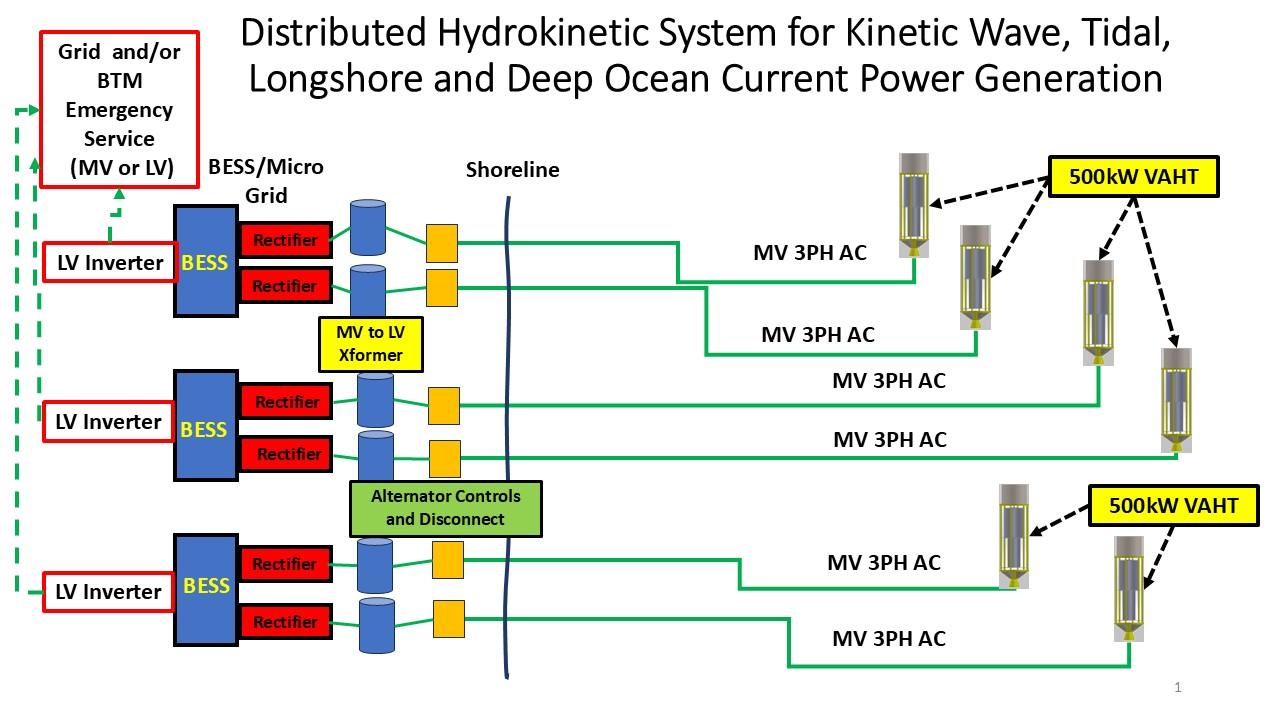
Distributed hydrokinetic array — wave, tidal, longshore, and deep-ocean current power generation
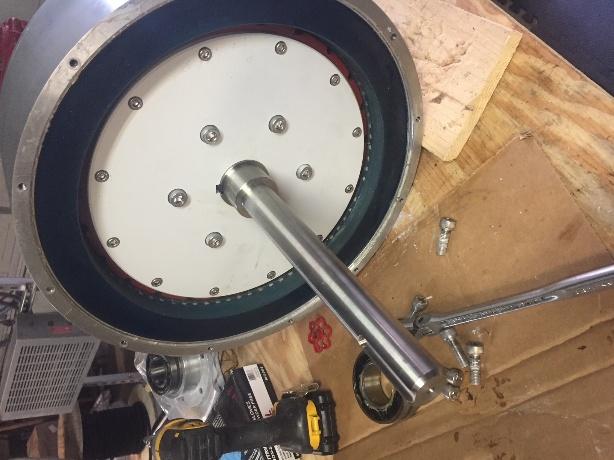
Custom permanent magnet alternator, in assembly
The Product
Built to outlast the water it sits in
A base HKPG unit generates 500kW of three-phase, medium-voltage power; an array of six units delivers 3MW — matching an 8MW offshore wind turbine's output at roughly 35% lower levelized cost of energy (LCOE), based on 2021 DOE offshore wind cost data.
Marine deepwater construction supports a 5-year-plus maintenance cycle. In-water units are fully retrievable for refurbishment or recycling — the only part left behind is the foundation, which disappears into the seabed over time.
Competitive Advantage
Why hydrokinetic wins where wind and solar stall
| Metric | HKPG (Hydrokinetic) | Wind | Solar |
|---|---|---|---|
| Conversion efficiency | 90%+ | 27–35% | Varies by site |
| System uptime | 85–90% | ∼35% | ∼25% |
| Output predictability | Constant — tides & currents are regular | Intermittent | Intermittent, daylight only |
| End-of-life | Retrievable, refurbishable/recyclable | Blade disposal challenges | Panel disposal challenges |
Source figures: HKPG technical submittal, DOE offshore wind cost/production reports (2021).
Team & Partners
Decades of offshore, power, and manufacturing experience
Mark Mayfield
Team Lead
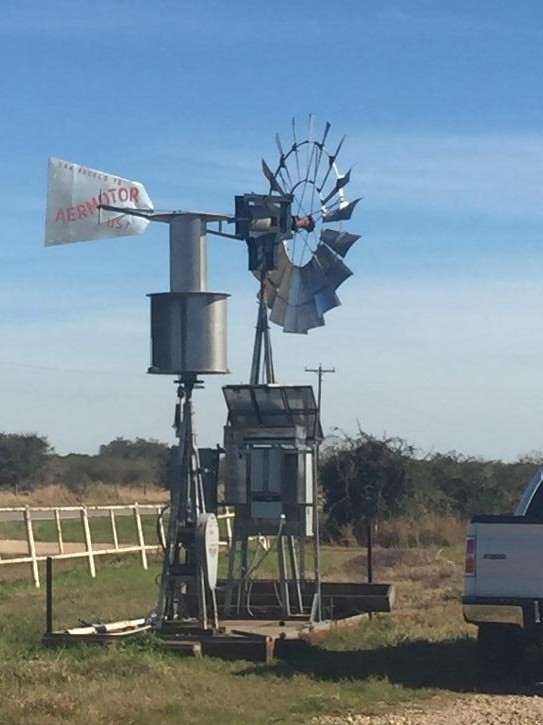
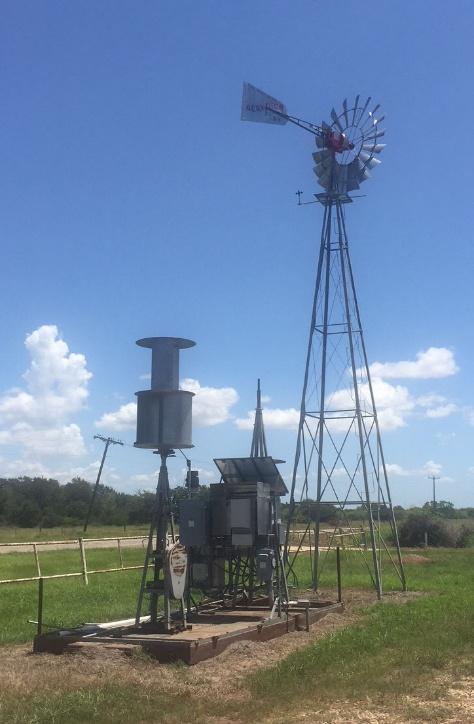
45-year career across oil, gas, and renewable energy — electrical/electronic manufacturing, 3D seismic technology, ocean bottom cable operations, marine vessel and subsea operations, subsea BOP controls, and brownfield EOR. Designed and built a PMA system converting agricultural windmills into remote grid-tie and off-grid power systems, and has studied the Savonius rotor in wind and wave environments.
Dan M. Sharp
Texas Registered Architect
Technical practice spanning project management, feasibility studies, renovation, rehabilitation, and re-purposing — with a forensic focus on building system failures and due diligence. Delivered projects across 26 US states and 7 countries.
What's Next
From provisional patent to working prototype
Patent secured
Provisional patent on the HKPG system filed March 25, 2026, clearing the way to engage strategic partners while protecting the core IP.
Prototype & testing
Building a small (<10kW) working prototype for demonstration and testing, with a planned run at the O.H. Hinsdale Wave Research Facility (Oregon State University), supported by TEAMER funding.
Vendor integration
Working with Powell Industries and LaserMasters to build a low-voltage working system with a right-sized rotor and frame, plus gearbox and PMA engineering support.
Scale & deploy
Modular arrays targeting near-shore communities, data center power demand relief (Silicon Valley wave resources), and Gulf Stream deployment off the Florida coast.
Get in touch
Building the greenest electricity production this century will see
We're talking with investors, partners, and coastal communities ready to go beyond the meter. Reach out to the team directly.
Houston, Texas 77083